AI-Powered Game Testing: The End of Manual QA?
Quality assurance has always been one of the most time-consuming stages in game development. With AI-driven testing systems, the industry is entering a new era of speed, accuracy, and automation.
The Role of AI in Modern QA
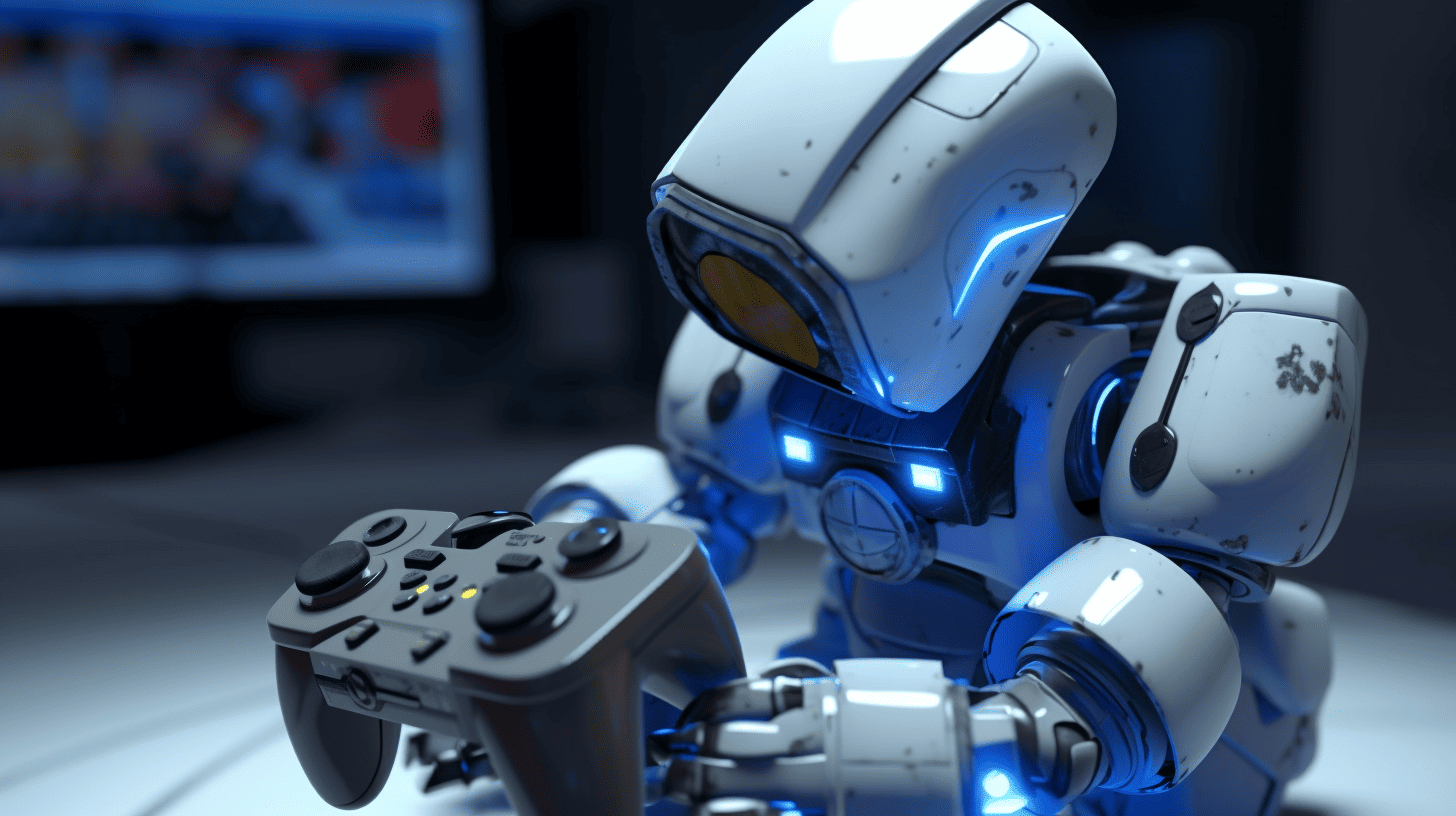
Artificial intelligence is now capable of performing large-scale automated testing that simulates thousands of player interactions in a short period of time. Instead of relying solely on human testers, developers can now use AI agents to explore every corner of a game.
These systems can detect bugs, performance drops, and gameplay inconsistencies far faster than traditional QA workflows.
Simulating Real Player Behavior
One of the biggest advantages of AI testing is its ability to mimic real player behavior. AI agents can explore maps, complete quests, engage in combat, and even attempt unexpected actions that human testers might not think of.
This helps developers identify edge cases and hidden issues that would otherwise appear only after release.
Faster Bug Detection and Fixing
AI testing tools continuously run automated sessions in the background, reporting bugs instantly. This significantly reduces the time between identifying and fixing issues.
Developers no longer need to wait for manual test cycles, which accelerates the entire development pipeline and improves overall productivity.
Balancing Gameplay with AI
Beyond bug detection, AI also helps with game balancing. It can analyze win rates, difficulty spikes, and player progression patterns to ensure a fair and engaging experience.
This allows developers to fine-tune mechanics before the game reaches players, reducing frustration and improving retention.
Limitations of AI Testing
Despite its advantages, AI cannot fully replace human testers. Creativity, emotional feedback, and subjective experience still require human judgment.
The most effective approach today is a hybrid model where AI handles large-scale automation while humans focus on qualitative evaluation.